
News

It’s Time to Value Nature as Infrastructure
We put a value on land, buildings, roads, power stations and data centres. We calculate the worth of companies from cash flows they might produce decades into the future. Yet what value do we place on a forest that regulates water, stores carbon, stabilises soil, supports biodiversity, cools its surroundings and provides livelihoods to thousands of people? Usually, surprisingly little.
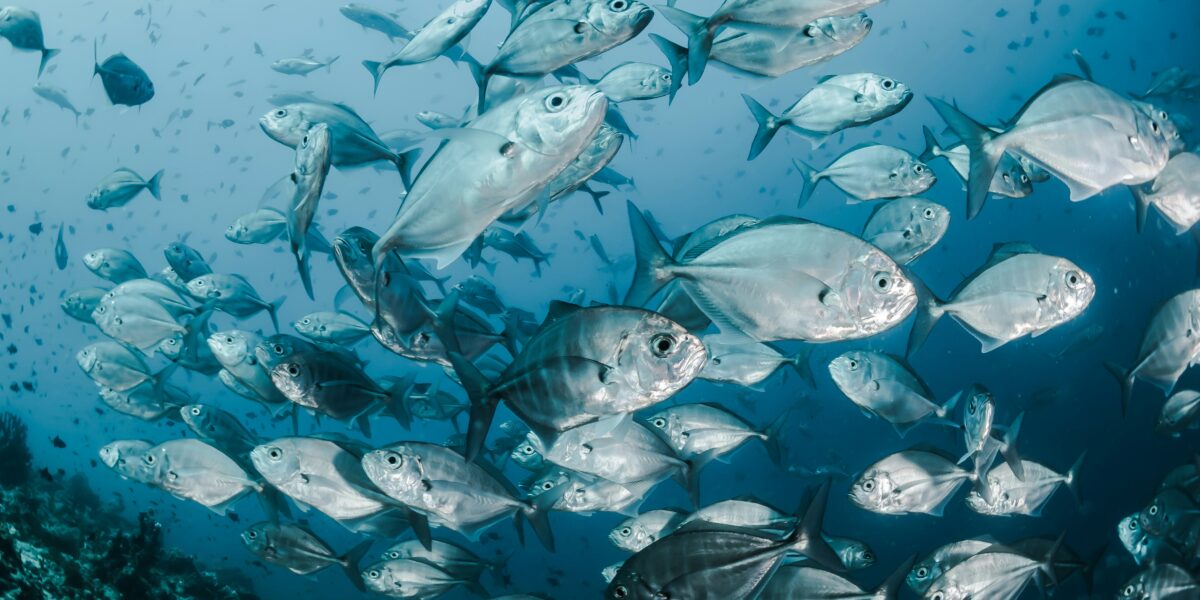
The Blue Food Transition: Has sustainable aquaculture reached its inflection point?
Almost 40% of the world’s population lives within 100km of a coast. Over three billion people worldwide rely on the oceans for their food security. The blue economy is now estimated to be worth over $2.6 trillion, supporting more than 130 million full-time equivalent jobs globally (World Bank). Global aquaculture and capture fisheries represent a significant share of the blue

Why Family Offices Should Be Looking at Nature-Based Solutions: Lunch with Terra Labs
If nature were listed on an exchange, it would be the most undervalued asset in the world. Consider the arithmetic. The world faces a $700 billion annual biodiversity financing gap, while $7.3 trillion flows into nature-negative activities every year, only $220 billion is spent conserving it; in other words, for every $30 spent destroying nature only $1 is spent protecting
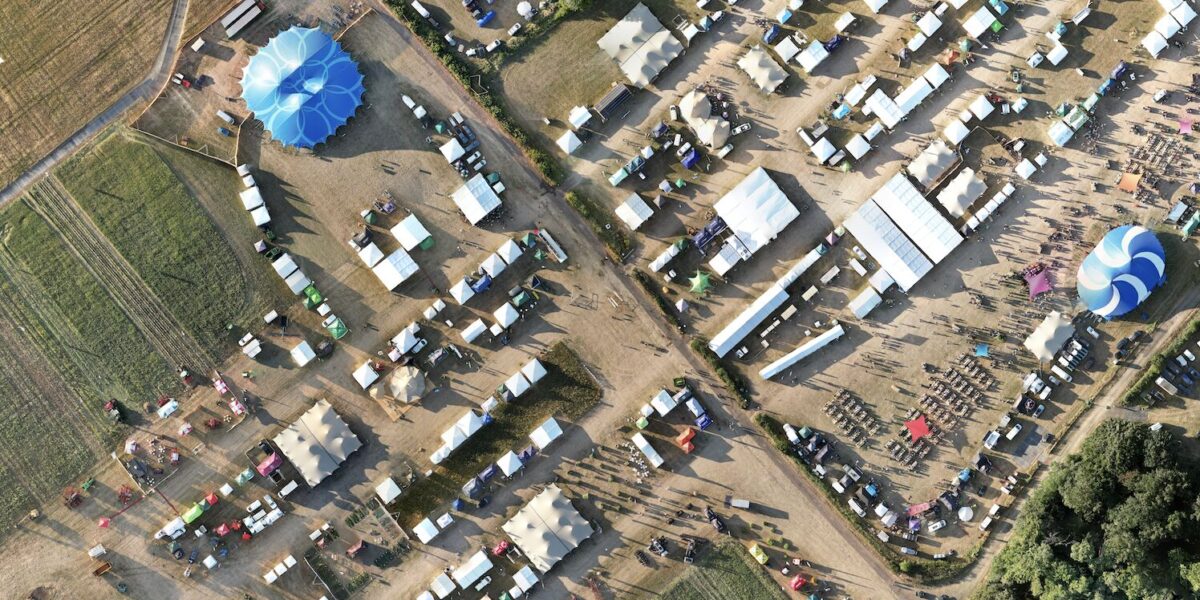
10 Years of Groundswell: From Niche Movement to a Billion-Hectare Ambition
Ten thousand people. Ten years running. This year’s Groundswell, held at Lannock Farm just north of London, was unmistakable: a decade in, the movement feels stronger than it has ever been. There was real confidence, built on a decade’s worth of accumulating evidence that regenerative practices work — agronomically, commercially, and ecologically. That confidence has been sharpened this year by
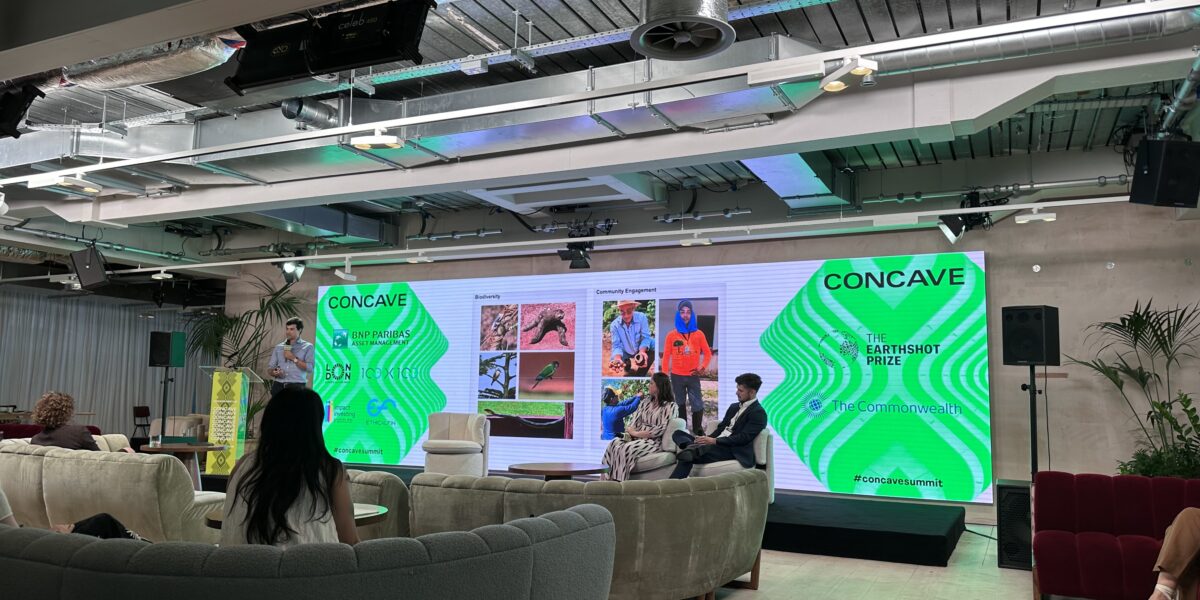
Patient Capital with Purpose: Why Family Offices Hold the Key to Solving Multi-Generational Climate Crises
EthicalFin recently hosted a panel at the Concave Summit as part of London Climate Action Week for a discussion that captured something often overlooked in climate finance conversations: family offices aren’t just another source of capital—they’re uniquely positioned to solve problems that institutional investors fundamentally cannot. The “Patient Capital with Purpose” session, held as part of the summit co-hosted with
Nature, Capital, Cities: Mapping the Biggest Opportunities to Drive Climate Solutions
The question hanging over the 2026 Concave Summit at London Climate Action Week on “Nature, Capital, Cities – Investing for Resilience” was both simple and urgent: We know what needs to be solved. We have the technologies. We have the capital. So what’s required to scale the most promising solutions to our planetary crises? What emerged throughout the day—co-hosted by

Beyond the Hype: Three Shifts from London Climate Action Week That Matter for Impact Investors
There’s an old saying that a crisis is just an opportunity in disguise. If that’s true, then London Climate Action Week 2026 proved to be an exceptional moment of opportunity. This year’s gathering stood out not just for its quality discussions and world-class speakers, but for something more visceral: the week itself became a sobering reminder of just how urgent

Feeding the World Without Costing the Earth: Lessons from The Royal Society Environment Prize Lecture
When Professor Andrew Balmford FRS delivered this year’s Royal Society Environment Prize Lecture — “Feeding the world without costing the earth” — he posed a question that sits at the heart of food systems investing: how do we meet humanity’s most basic need without dismantling the natural systems that it depends on? [1] As Professor of Conservation Science at Cambridge’s
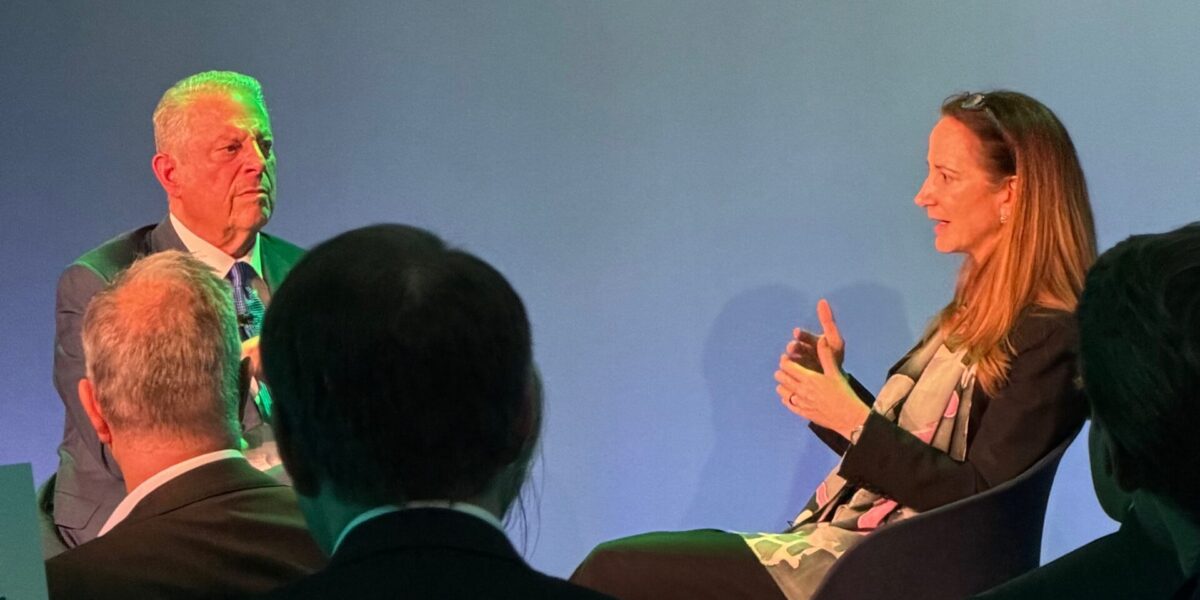
Seeing Beyond the Fog of Geopolitical Volatility: Hard Truths from Al Gore and Avril Haines on Global Security
This week, at the Generation & Just Climate’s Global Client Conference 2026, the air was thick with a level of gravity that only a Nobel Laureate and a former Director of National Intelligence can command. Al Gore and Avril Haines sat down for a fireside chat that felt less like a briefing and more like a map of the world’s

Scaling Climate Solutions: Investing in the Next Energy Super Cycle
The numbers tell a powerful story. Global energy demand is set to rise by 3.5% annually over the next decade, ending nearly two decades of stagnation in energy growth across developed markets. In the United States alone, demand from data centres is climbing at 8–12% per year, up from just 2-3% a few years ago. Solar energy production has

EthicalFin Limited is registered in England and Wales with Registered Office Address at Nova North, 11 Bressenden Place, London SW1E 5BY and is authorised and regulated by the Financial Conduct Authority with FRN 517378.
Quick Links
